Inspect one middle C
Middle C is MIDI note 60. Check the event number and the physical key that lights. Editors do not all attach the same octave number to that key.
Compare notes 60 and 72
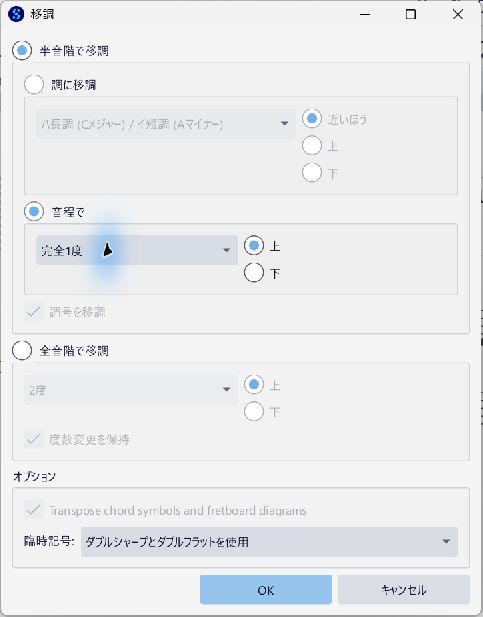
If the number remains 60, the pitch has not changed. Replacing 60 with 72 actually raises the note by twelve semitones.
Use the backing track
Find one unison with the accompaniment. If the two notes agree by ear, leave the pitches alone even when the labels differ.
Locate the stage where an octave changed
Make three columns: source file, editing window and reopened export. Write down the number of the same opening C in each. If all three say 60, no octave was lost in the file. An editor displaying C3 beside that event is using a naming convention; transposing it would create a pitch change that did not exist.
If all three numbers agree but the export sounds lower, audition both files in the same player using the same plain piano patch. A transposition control in the instrument or a patch with octave doubling can make an unchanged file sound different.
Check the bass before transposing the whole piece
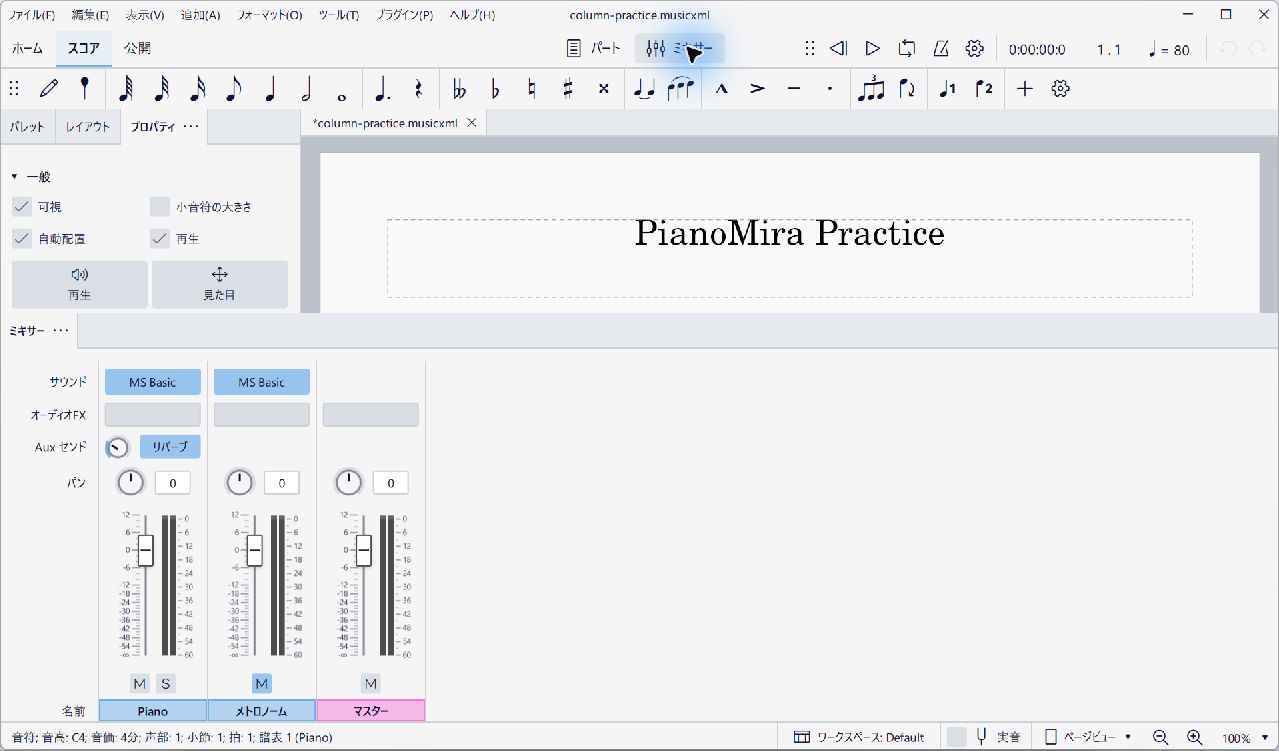
Check a right-hand melody note and one bass note independently. A track-specific transpose setting can move the melody while leaving the bass correct. Changing the octave numbering preference is a display edit; adding twelve to note numbers is a musical edit.
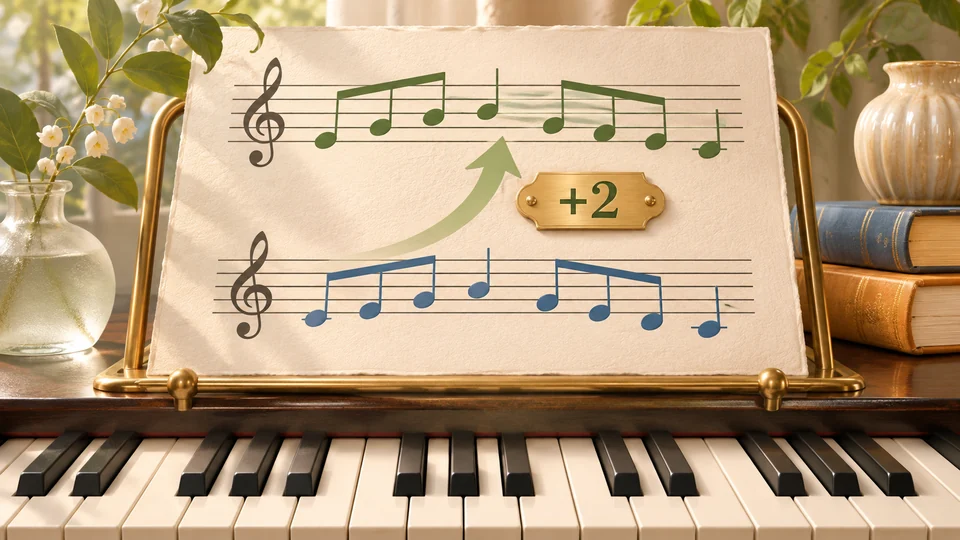
Listen to the two Cs in the example. The second genuinely sounds an octave higher because it changes from 60 to 72. Compare that audible change with your own case, then correct only the part for which the evidence shows a pitch difference.
Should I transpose when switching from letters to solfège?
Naming and pitch are independent. Watch a single middle C and listen while switching labels. If the same physical key and MIDI number remain, choose the notation the learner reads most easily without editing pitches.