Compare three versions
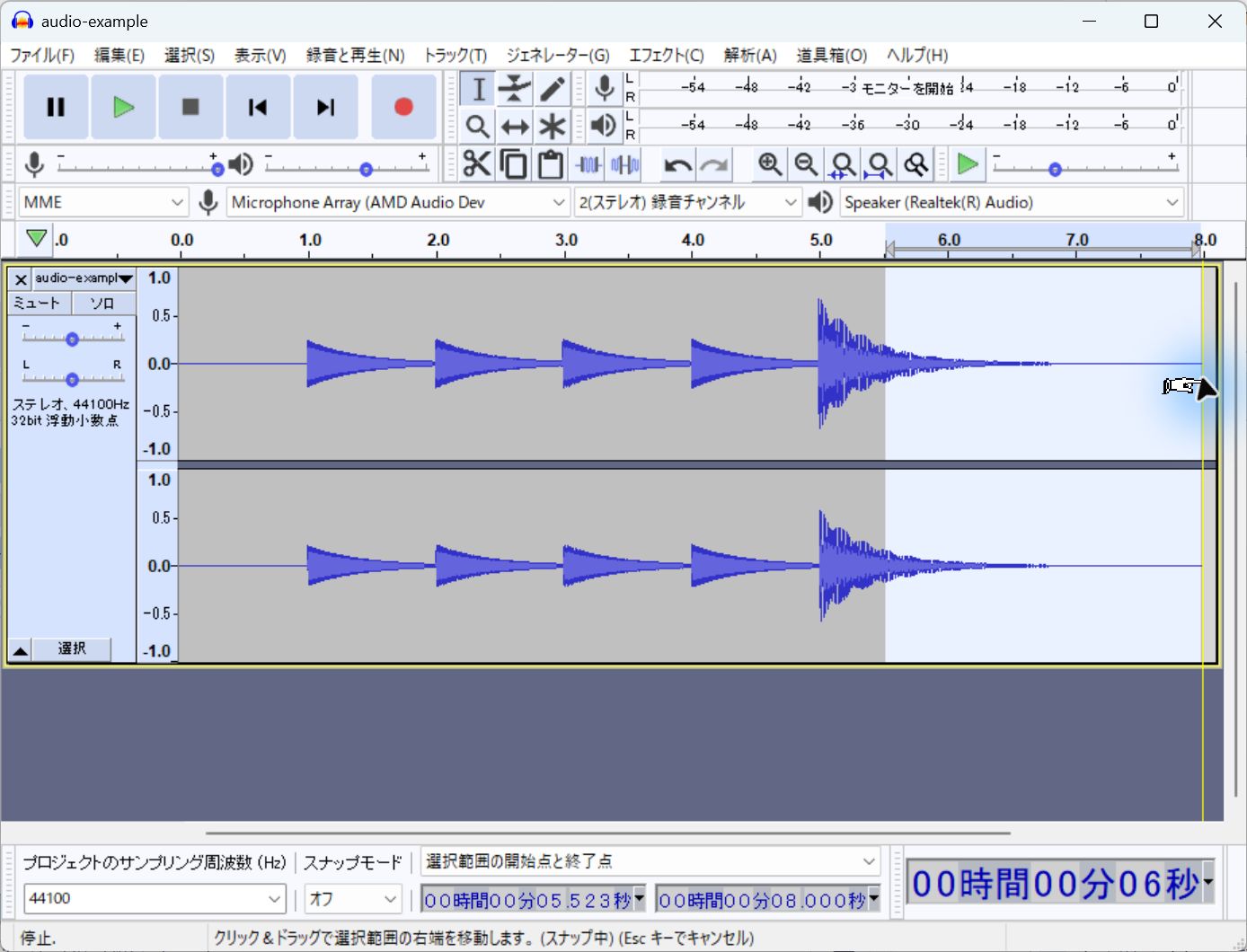
Listen to left only, right only and a mono sum at similar levels. If only the sum loses bass on the very same device, the relationship between the channels deserves attention.
Consider opposite polarity
Two identical signals with opposite polarity cancel when added at equal gain. Real microphone signals often cancel only partly or over a limited frequency range.
| Weak bass in each channel alone | Check playback and recorded low end |
|---|---|
| Weak only in the sum | Inspect phase and polarity between channels |
Preserve both hands
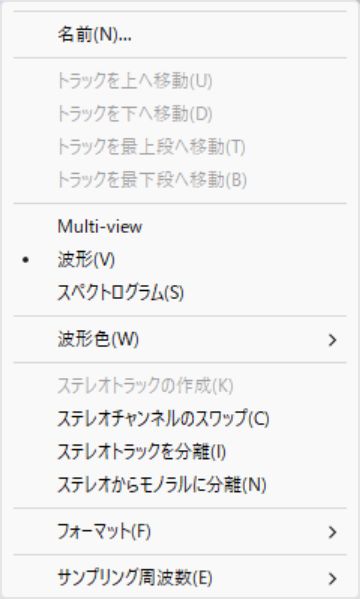
Inspect mic placement and any polarity setting in the edit. Before publishing a single channel as a workaround, check that material recorded mainly on the other side is still represented.
Set up a fair left, right and mono comparison
Make three copies: left centred, right centred, and a mono average of both. Use the same headphones for all three to keep loudspeaker bass response out of the comparison. Include a low bass note and a short treble attack in the test phrase.
If each channel alone has a solid bass but the average thins dramatically, investigate the relationship between the channels. If all three lack bass only on one pair of headphones, investigate the playback path before changing the mix.
Distinguish polarity inversion from a microphone delay
Very similar waveforms with one upside down suggest a polarity difference. Spaced microphones can instead capture the same attack at slightly different times. Then some frequency regions reinforce while others cancel, and a blanket polarity flip need not improve the whole performance.
Test any correction on a copy. Recheck the treble melody and stereo space as well as the bass chord. If stronger bass comes at the cost of a thin melody, keep comparing the source, mono check and candidate before committing to the edit.
Are different left and right waveforms always a problem?
Differences create the stereo image. Investigate when the mono sum loses an important bass or melody, not simply because two waveforms look unlike one another. Forcing both channels to match can remove the natural space you wanted to preserve.