Identify which file changed
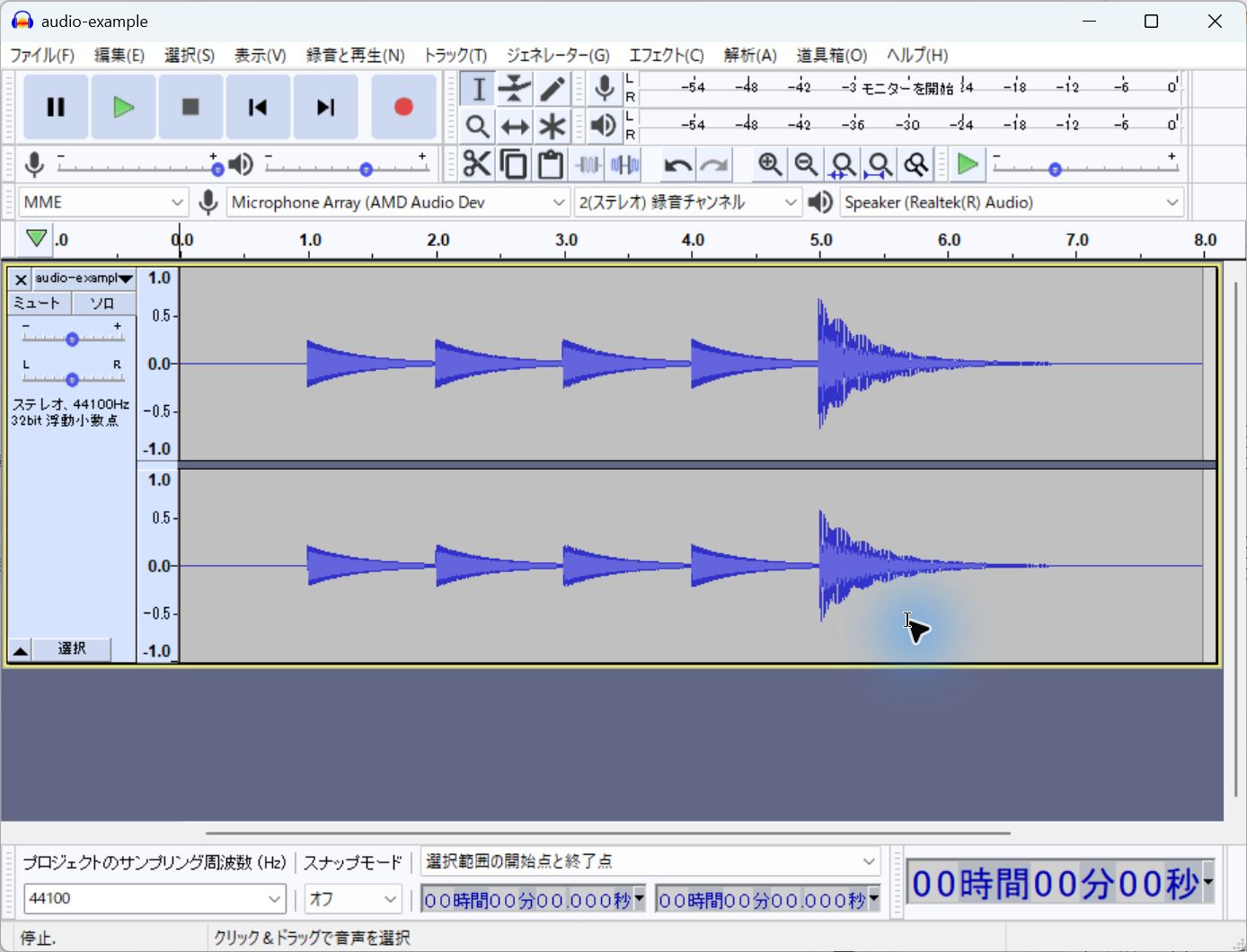
MIDI stores note pitches; a WAV or MP3 contains recorded sound. Return the MIDI to the original key, create a new recording in the target key, or transpose the audio separately.
Move C major to D major
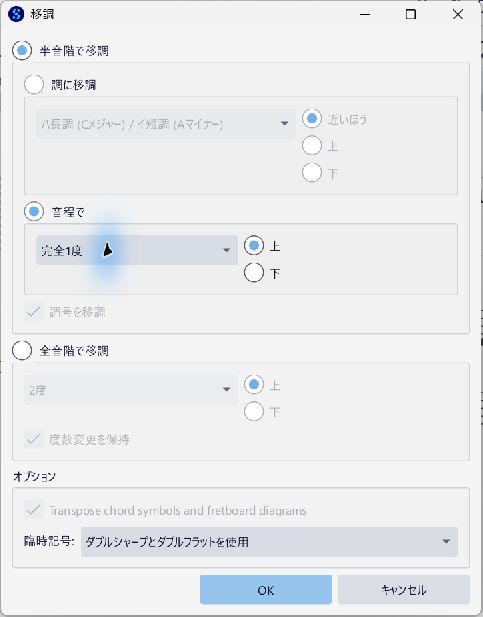
The shift is +2 semitones. Listen for D in the bass and check the closing chord too. Use a pitch-change operation that preserves tempo if the backing must retain its duration.
Recheck time after export
Changing playback speed raises pitch and shortens the performance together. Verify the middle and final attacks as well as the opening pitch.
Verify the interval at two harmonically clear points
A melodic ornament or a local modulation can masquerade as a transposition error. Choose two harmonically clear arrivals and compare the bass in MIDI and recording. C becoming D at both is consistent with +2 semitones. A discrepancy confined to one chord may indicate another arrangement.
For a new singing key, specify semitones rather than counting added black keys. Move melody, harmony and bass by the same interval. Exclude percussion: shifting drum note numbers may select different drums rather than transpose them musically.
Choose between pitch processing and a new recording
Raising pitch by two semitones through playback speed uses a frequency ratio of about 1.122. A sixty-second passage then lasts about 53.5 s. If MIDI attacks retain their original times, the picture and sound will diverge substantially. For a duration-preserving pitch shift, verify that the same passage still lasts about sixty seconds.
If a large shift damages piano attacks or reverberation, rendering the instrument anew from transposed MIDI may sound cleaner. Whichever method you choose, test opening pitch, chorus bass and final key release in the same finished file.
Why did the voice and room sound change along with the piano?
Processing a finished mix affects everything in it. With stems, transpose the pitched material that needs it and keep percussion or ambience separate where appropriate. Without stems, audition a short representative excerpt before processing the whole mix.