Inspect two lanes
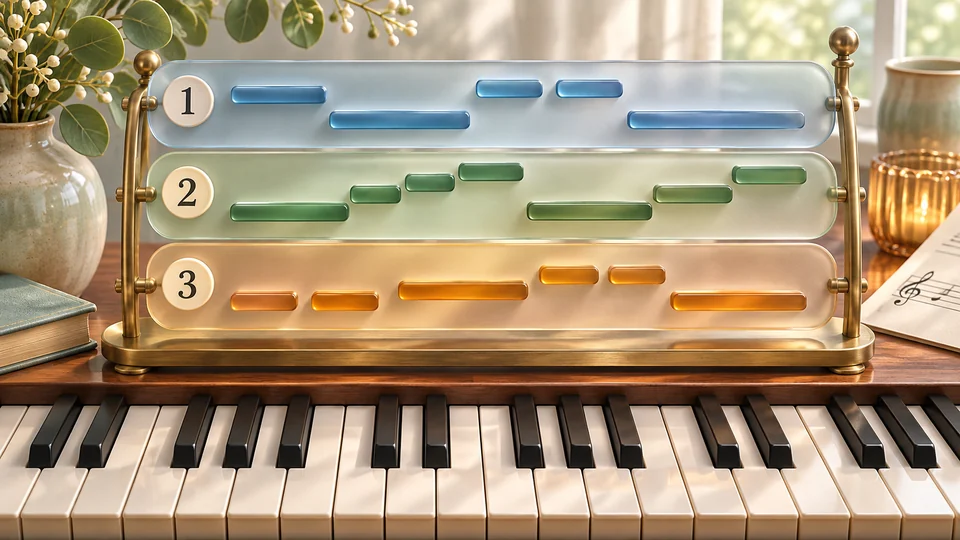
Open both note events and pitch bend in an editor. A bend curve moving under one long note asks the synth to change pitch without a second key press.
Arrange a C-to-D slide
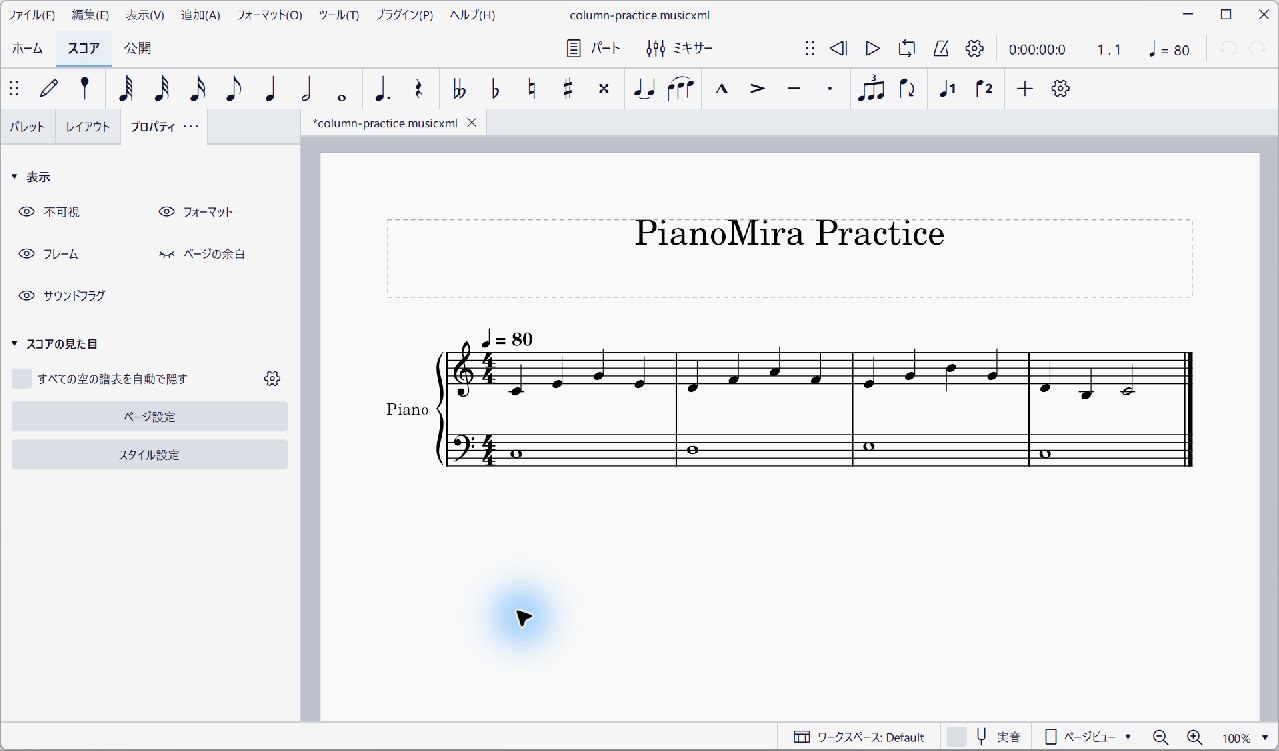
For a playable tutorial, choose when D should begin and add it as a separate note in a copy. Bend range depends on the instrument settings, so confirm the destination by ear.
| One note plus a bend | One key attack, continuously changing pitch |
|---|---|
| A C note followed by a D | Two attacks on different keys |
Choose what to represent
Two discrete piano keys cannot reproduce a continuous slide. Keep the original sound if appropriate and arrange the on-screen notes as a playable interpretation.
Decide whether a bend deserves a new key
A short curve that rises and immediately returns may be vibrato. Creating a note at every peak invents a repeated figure that the player never articulated. Listen for a pitch that settles long enough to function as a separate note in a playable arrangement.
With a two-semitone upward bend range, a full bend from C approaches D. The same curve on an instrument configured for a twelve-semitone range can reach an octave instead. The curve’s height alone does not specify the destination in semitones.
Check the next chord for a bend left behind
After writing a separate D, leaving the original bend active can bend that D again. Inspect the curve on the note’s channel. Decide whether the tutorial should still use bending or should move only discrete notes into a separate piano part.
Include the next chord in your test. If all its pitches are unexpectedly high, check whether the bend returned to centre. The soundtrack can preserve the original glide while the picture provides a playable approximation for a piano student.
Should a piano arrangement transcribe every vibrato oscillation?
For an introductory melody lesson a single central pitch often preserves the line better. Create separate notes only when you intend a playable ornament. Listen at full speed to make sure the result has not become a trill that was absent from the performance.