
PIANOMIRA JOURNAL
Piano video guides
Practical piano video guides, with real screens to follow along.
Articles 61–70 of 100
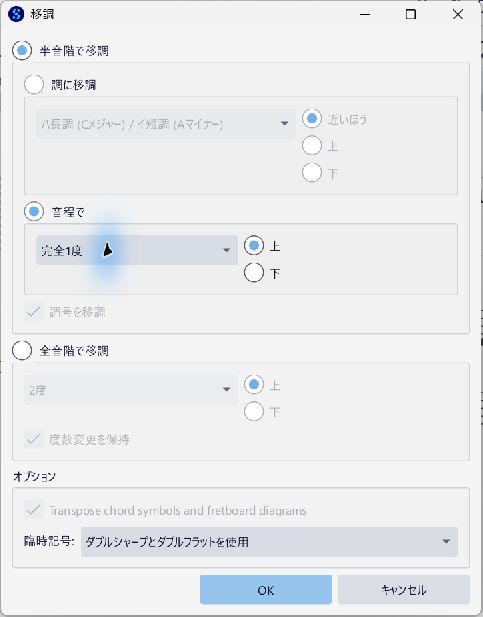
Why middle C shows up as C3 in one editor and C4 in another
A one-octave difference on screen does not always mean a pitch error. Transposing on the strength of that label can spoil an otherwise correct performance.
Read article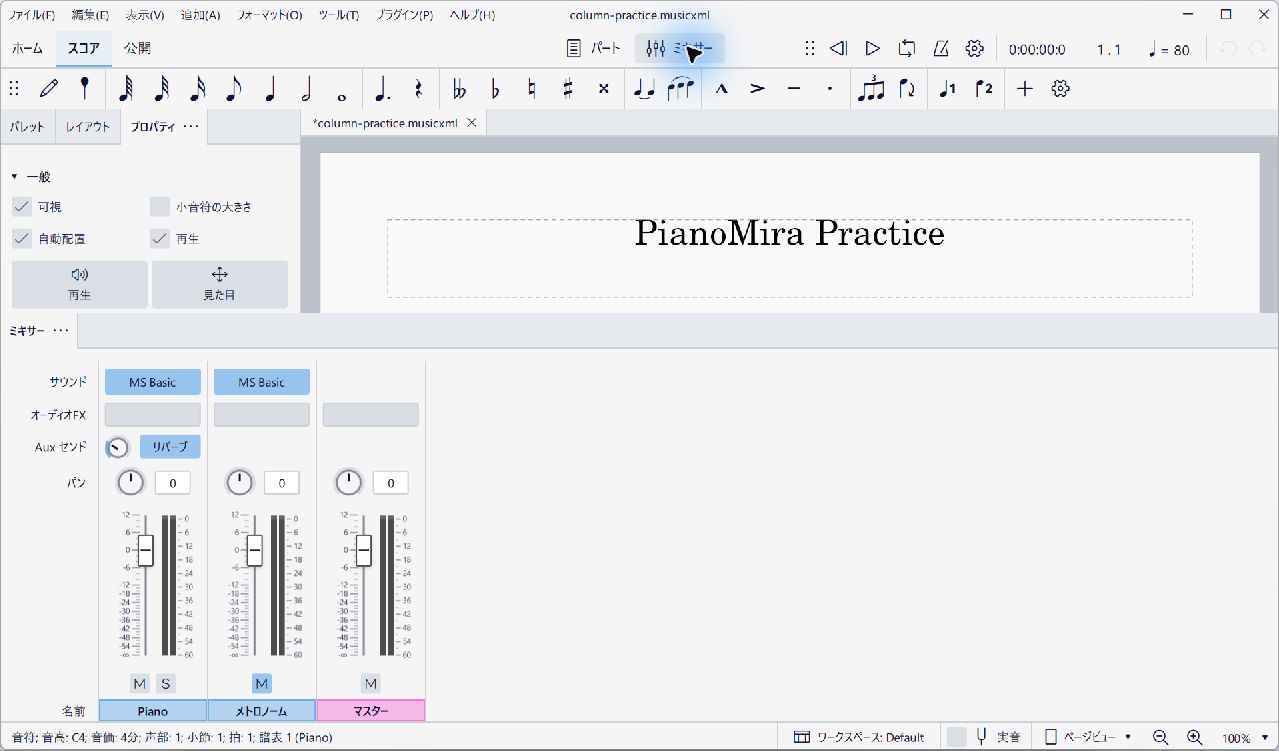
Stop a drum track from lighting low piano keys
A repeated low C in an orchestral MIDI might be a kick drum read as pitched notes. A keyboard cannot distinguish those roles by note number alone.
Read articleRemove a string layer from the piano roll without losing the mix
Piano and strings often share attacks but release at different times. Sending both to the keyboard can make a clean piano release look like a stuck key.
Read article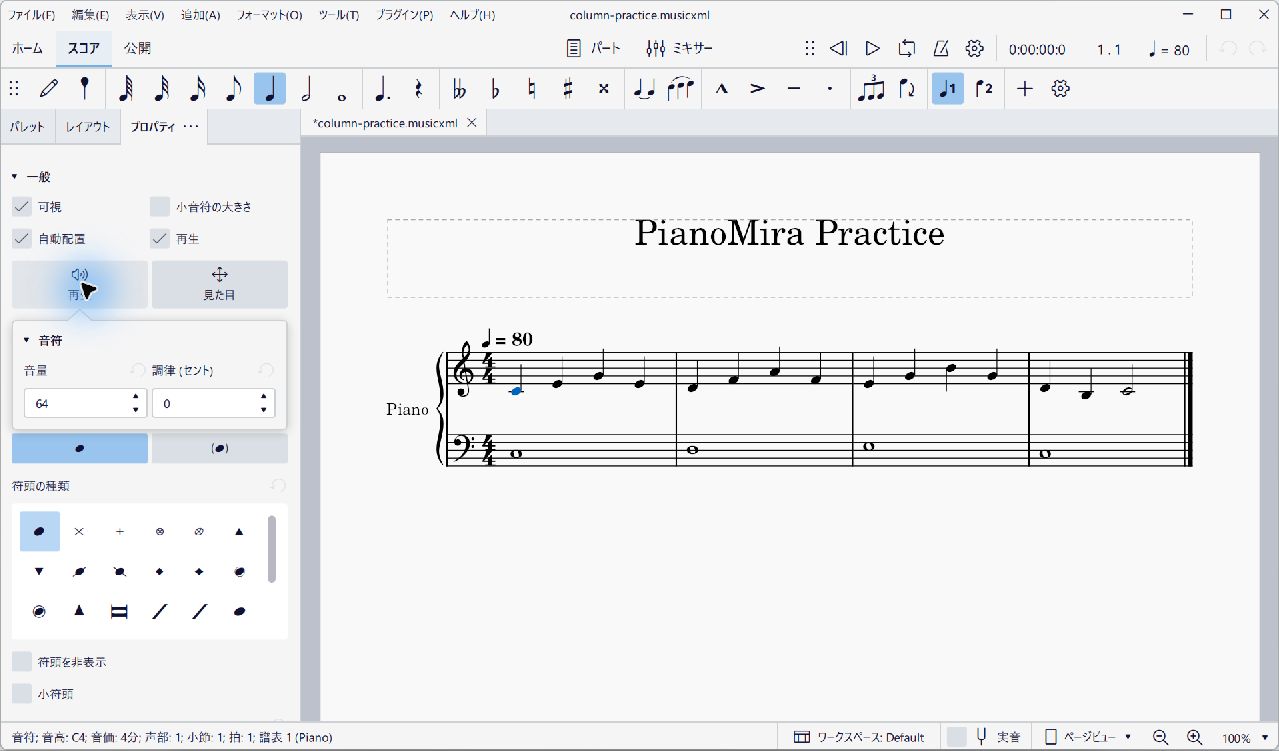
When three repeated strikes look like one long piano note
Pitch alone cannot distinguish three strikes on one key. Count attacks first, then look at the gap drawn between adjacent events.
Read article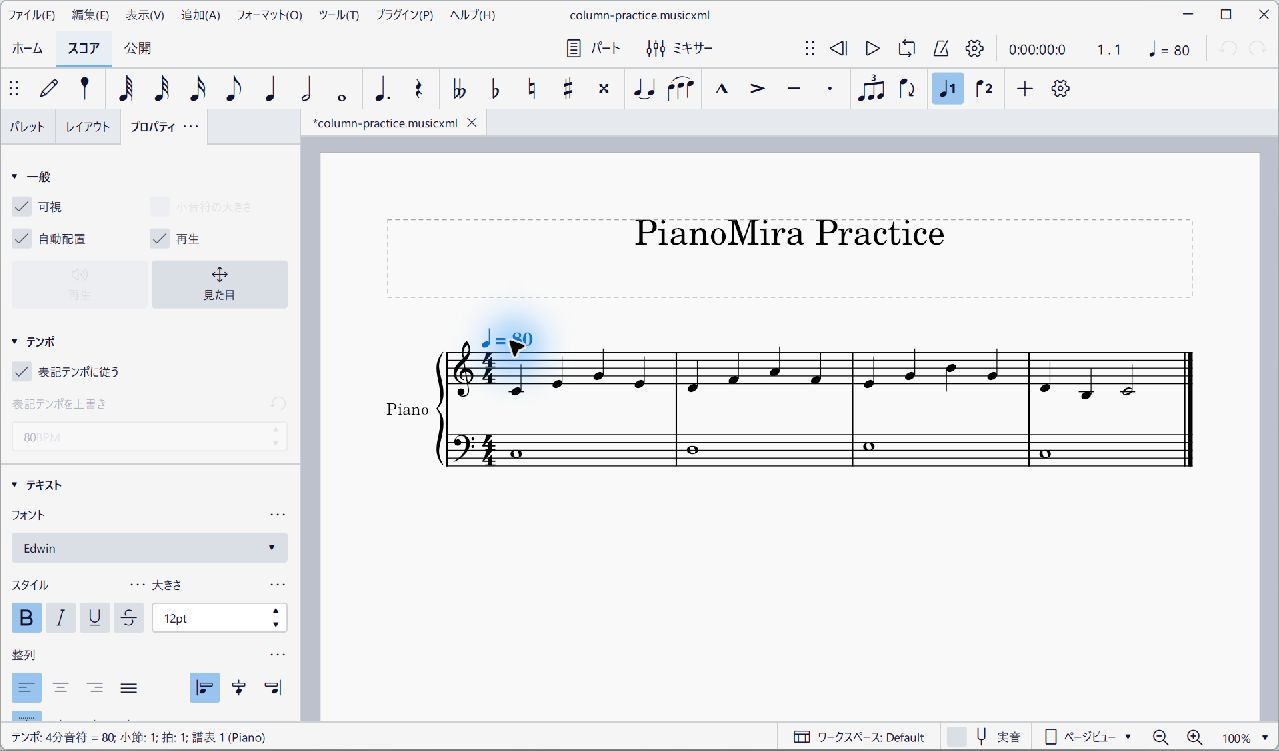
Convert MIDI ticks to seconds at a known tempo
The event time “240” is not a duration in milliseconds. Its meaning depends on the file’s timing division and the tempo at that part of the piece.
Read articleDiagnose a MIDI file playing at exactly double speed
If every passage takes half the expected time, check beat units and playback speed before stretching hundreds of notes.
Read article
Why a pitch bend does not press a second piano key
A synth line can glide upwards while a keyboard display holds one key. The recording contains changing pitch, but the MIDI may still describe a single attack.
Read article
Keep a crossing melody in one hand when it passes middle C
A fixed split at middle C can make a right-hand melody suddenly change colour. Hand assignment is often clearer across a phrase than at a single pitch.
Read articleWhy the first chord is missing notes after trimming a MIDI excerpt
An excerpt can begin in the middle of a held chord. Keeping only attacks inside the selected region drops the notes that were already sounding at its start.
Read articleStop a dotted eighth and sixteenth turning into two equal notes
“Long, short” tells you little about exactly where the short note enters. Divide the beat into four and aim for its last subdivision.
Read article